
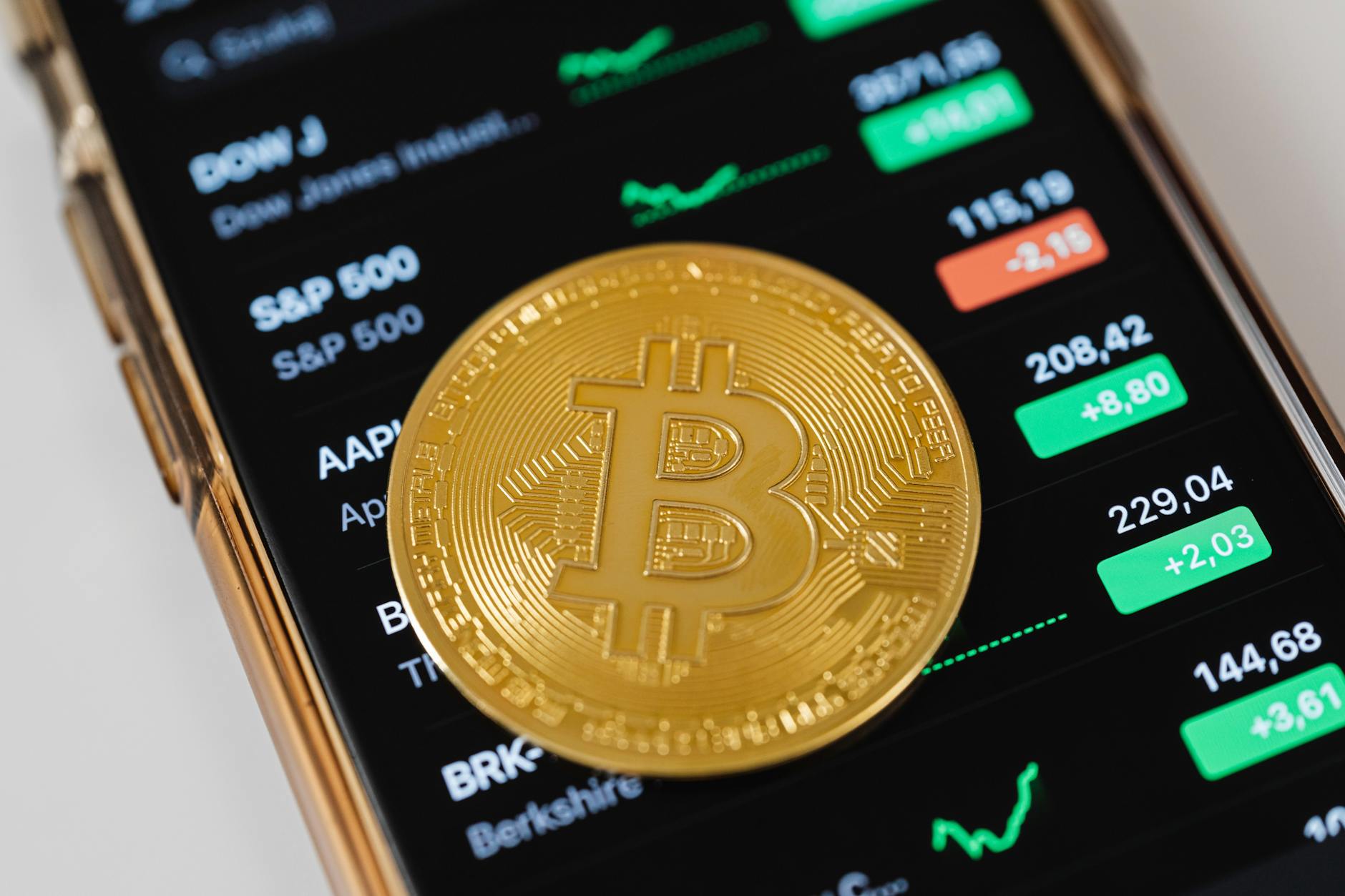
The cryptocurrency landscape has evolved dramatically since Bitcoin’s humble beginnings in 2009. As we navigate through 2026, digital assets have become a mainstream investment option, with institutional adoption reaching unprecedented levels and regulatory frameworks providing clearer guidelines for investors worldwide.
Whether you’re a complete beginner curious about digital currencies or someone who’s been sitting on the sidelines waiting for the right moment to jump in, 2026 presents unique opportunities and challenges in the crypto space. The market has matured significantly, offering more stability than the wild west days of 2017-2021, while still maintaining the potential for substantial returns.
This comprehensive guide will walk you through everything you need to know to start your cryptocurrency investment journey safely and strategically. From understanding the fundamentals and choosing the right platforms to developing a solid investment strategy and managing risks, we’ll cover all the essential elements that will set you up for success in the evolving world of digital assets.
Remember, investing in cryptocurrency requires patience, research, and a clear understanding of your financial goals. Let’s dive into the essential steps that will help you navigate this exciting but complex investment landscape with confidence.
Understanding the Cryptocurrency Landscape in 2026
The crypto market in 2026 looks vastly different from its earlier iterations. We’ve witnessed the integration of central bank digital currencies (CBDCs) in numerous countries, the widespread adoption of blockchain technology across various industries, and the emergence of sophisticated DeFi (Decentralized Finance) protocols that rival traditional financial services.
Current Market Dynamics
Bitcoin has solidified its position as « digital gold, » serving as a store of value and hedge against inflation. Ethereum continues to dominate the smart contract space, powering everything from NFT marketplaces to complex financial applications. Meanwhile, newer blockchain networks like Solana, Cardano, and Polygon have carved out their niches, offering faster transactions and lower fees.
The regulatory environment has become more favorable and predictable. Major economies have established clear frameworks for cryptocurrency taxation and trading, reducing the uncertainty that once plagued the market. This regulatory clarity has paved the way for institutional investors, including pension funds and insurance companies, to allocate portions of their portfolios to digital assets.
Key Trends Shaping 2026
Environmental sustainability has become a crucial factor in cryptocurrency adoption. Proof-of-stake networks have largely replaced energy-intensive proof-of-work systems, making crypto investments more appealing to environmentally conscious investors. Additionally, the integration of artificial intelligence and blockchain technology has created new investment opportunities in AI-powered crypto projects.
The rise of Web3 applications has also transformed how we interact with digital assets. From decentralized social media platforms to blockchain-based gaming ecosystems, the utility of cryptocurrencies has expanded far beyond simple peer-to-peer transactions.
Setting Up Your Investment Foundation
Before diving into cryptocurrency investments, it’s crucial to establish a solid financial foundation. This means having a clear understanding of your current financial situation, investment goals, and risk tolerance.
Assessing Your Financial Health
Start by evaluating your overall financial picture. Ensure you have an emergency fund covering 3-6 months of expenses, have paid off high-interest debt, and are contributing to traditional retirement accounts. Cryptocurrency should represent only a portion of your diversified investment portfolio – typically recommended between 5-10% for most investors.
Consider your investment timeline and objectives. Are you looking for long-term wealth building, or are you interested in more active trading? Your approach will significantly influence which cryptocurrencies you choose and how you manage your portfolio.
Choosing the Right Investment Amount
The golden rule of cryptocurrency investing remains unchanged: never invest more than you can afford to lose. While the market has matured, cryptocurrencies are still more volatile than traditional assets like stocks and bonds.
Start with a modest amount – perhaps $100 to $500 for beginners. This allows you to learn the ropes without significant financial stress. As you become more comfortable with the technology and market dynamics, you can gradually increase your allocation.
Setting Up Security Measures
Security should be your top priority when entering the cryptocurrency space. This includes using strong, unique passwords, enabling two-factor authentication on all accounts, and understanding the difference between hot wallets (connected to the internet) and cold wallets (offline storage).
Consider investing in a hardware wallet for long-term storage of significant amounts. Popular options in 2026 include the latest models from Ledger, Trezor, and newer entrants that offer enhanced security features and user-friendly interfaces.
Choosing the Right Platforms and Tools
The cryptocurrency exchange landscape has consolidated around several major, reputable platforms that offer robust security, regulatory compliance, and user-friendly interfaces.
Major Cryptocurrency Exchanges
Coinbase remains one of the most beginner-friendly options, offering a simple interface, educational resources, and strong regulatory compliance. While fees are slightly higher than some competitors, the platform’s ease of use and security track record make it an excellent choice for newcomers.
Binance offers the widest selection of cryptocurrencies and some of the lowest trading fees in the industry. The platform provides both basic and advanced trading interfaces, catering to beginners and experienced traders alike.
Kraken has built a reputation for security and transparency, offering detailed financial audits and a wide range of trading pairs. The platform is particularly popular among more serious investors who value transparency and advanced trading features.
Specialized Investment Platforms
For those preferring a more traditional investment approach, platforms like Grayscale, Fidelity Digital Assets, and BlackRock’s crypto ETFs offer exposure to cryptocurrencies through familiar investment vehicles. These options are ideal for investors who want crypto exposure without dealing with wallet management and security concerns.
Dollar-cost averaging (DCA) services have also become popular, allowing investors to automatically purchase cryptocurrencies at regular intervals. Platforms like Swan Bitcoin for Bitcoin-only investing or Coinbase’s recurring buy feature make it easy to implement this strategy.
Research and Analysis Tools
Successful cryptocurrency investing requires access to reliable information and analysis tools. CoinGecko and CoinMarketCap provide comprehensive market data, while platforms like Messari and IntoTheBlock offer more sophisticated analytics for serious investors.
DeFiPulse and DeBank are essential for tracking DeFi protocols and yields, while Glassnode provides on-chain analysis that can help inform investment decisions.
Developing Your Investment Strategy
A well-defined investment strategy is crucial for long-term success in cryptocurrency investing. Your strategy should align with your financial goals, risk tolerance, and available time for managing investments.
Long-term Holding (HODLing)
The buy-and-hold strategy, known as « HODLing » in crypto circles, involves purchasing cryptocurrencies and holding them for extended periods, regardless of short-term price fluctuations. This approach has historically been successful for major cryptocurrencies like Bitcoin and Ethereum.
For long-term holders, focus on cryptocurrencies with strong fundamentals, active development communities, and clear use cases. Bitcoin’s role as digital gold and Ethereum’s position as the foundation for DeFi and smart contracts make them popular choices for this strategy.
Dollar-Cost Averaging (DCA)
DCA involves making regular purchases regardless of price, which helps smooth out volatility and removes the pressure of timing the market. For example, investing $200 monthly in Bitcoin and Ethereum can help build a position over time while minimizing the impact of price swings.
This strategy is particularly effective for beginners who want to build crypto exposure without constantly monitoring markets or trying to time entries and exits.
Diversified Portfolio Approach
A diversified crypto portfolio might include:
- Large-cap cryptocurrencies (Bitcoin, Ethereum): 60-70% of your crypto allocation
- Mid-cap altcoins (Solana, Cardano, Polygon): 20-30%
- Small-cap/emerging projects: 5-10% for higher risk/reward potential
- DeFi protocols (Uniswap, Aave, Compound)
- Layer 1 blockchains (Ethereum, Solana, Avalanche)
- Web3 and gaming tokens (Enjin, Axie Infinity, The Sandbox)
- Infrastructure projects (Chainlink, The Graph)
Sector-Based Investing
Consider allocating funds across different crypto sectors:
Risk Management and Security Best Practices
Cryptocurrency investing involves unique risks that require careful management and preparation. Understanding these risks and implementing appropriate safeguards is essential for protecting your investments.
Understanding Cryptocurrency Risks
Market volatility remains the most obvious risk. Even in the more mature 2026 market, cryptocurrencies can experience significant price swings within short periods. Prepare mentally and financially for potential losses, and never invest money you need for essential expenses.
Regulatory risks have decreased significantly but still exist. Changes in government policies or regulations can impact cryptocurrency values and accessibility. Stay informed about regulatory developments in your jurisdiction and consider their potential impact on your investments.
Technology risks include smart contract bugs, network congestion, and potential security vulnerabilities. While blockchain technology has matured, these risks still exist, particularly with newer or more experimental projects.
Security Implementation
Use unique, strong passwords for all cryptocurrency-related accounts and enable two-factor authentication wherever possible. Consider using a password manager to generate and store complex passwords securely.
For significant holdings, invest in a hardware wallet. These devices store your private keys offline, making them immune to online hacking attempts. Popular options include the Ledger Nano X, Trezor Model T, and newer devices that offer enhanced features and security.
Backup and Recovery Planning
Create secure backups of your wallet seed phrases and private keys. Store these backups in multiple secure locations, such as safety deposit boxes or fireproof safes. Never store backup information digitally or in cloud storage services.
Consider creating a cryptocurrency inheritance plan. Ensure trusted family members understand how to access your digital assets in case of emergencies, while maintaining security during your lifetime.
Portfolio Risk Management
Implement stop-loss orders on exchanges to limit potential losses, though be aware that cryptocurrency markets can gap significantly, making stop-losses less effective than in traditional markets.
Regularly rebalance your portfolio to maintain your target allocations. As some investments outperform others, your portfolio can become overweighted in specific assets, increasing your risk exposure.
Common Mistakes to Avoid and Next Steps
Learning from common mistakes can save you significant time, money, and frustration as you begin your cryptocurrency investment journey.
Critical Mistakes to Avoid
FOMO (Fear of Missing Out) investing leads to poor decision-making. Avoid chasing sudden price spikes or investing based on social media hype. Stick to your research-based investment plan and resist the urge to make impulsive decisions.
Overtrading is another common pitfall. Frequent buying and selling often results in higher fees and worse performance than simple buy-and-hold strategies. Unless you’re dedicating significant time to learning technical analysis and market dynamics, consider limiting your trading activity.
Ignoring fees can significantly impact your returns. Different exchanges and transaction types have varying fee structures. Understand these costs and factor them into your investment decisions.
Falling for scams remains a risk in the cryptocurrency space. Be wary of promises of guaranteed returns, unsolicited investment advice, and projects that seem too good to be true. Always conduct thorough research before investing in new projects or platforms.
Taking Your Next Steps
Start by opening an account with a reputable exchange and making a small initial purchase to familiarize yourself with the process. Begin with well-established cryptocurrencies like Bitcoin or Ethereum before exploring smaller projects.
Develop a learning routine. The cryptocurrency space evolves rapidly, and staying informed is crucial for making good investment decisions. Follow reputable news sources, join educational communities, and consider taking online courses about blockchain technology and cryptocurrency investing.
Set up a tracking system to monitor your investments. Use portfolio tracking apps like Blockfolio, CoinTracker, or Delta to keep tabs on your holdings and their performance. This information will also be valuable for tax reporting purposes.
Conclusion: Your Cryptocurrency Investment Journey Begins Now
Starting your cryptocurrency investment journey in 2026 puts you in an advantageous position. The market has matured significantly, regulatory frameworks have provided clarity, and institutional adoption has reduced some of the volatility that characterized earlier years. However, success in cryptocurrency investing still requires patience, education, and disciplined risk management.
Remember that cryptocurrency investing is a marathon, not a sprint. Focus on building knowledge, diversifying your investments, and maintaining strong security practices. Start with amounts you can afford to lose, and gradually increase your allocation as you become more comfortable with the technology and market dynamics.
The key to successful cryptocurrency investing lies in continuous learning and adapting to market changes while maintaining a long-term perspective. Stay curious, remain cautious, and don’t let short-term price movements derail your investment strategy.
Ready to start your cryptocurrency investment journey? Begin by choosing a reputable exchange, making your first small purchase, and setting up secure storage for your digital assets. Take the first step today – your future self will thank you for starting your education and investment in this transformative technology. Remember, the best time to start investing was yesterday; the second-best time is now.